Choosing the right binoculars for use on a boat, at the beach, or at a desert camp starts with a simple question: where will you use them most? At Blue Anchor Marine, we understand what buyers look for when exploring binoculars in Saudi Arabia. Our team has put together all the details to help you make an informed choice and find the perfect binoculars for your outdoor adventures.
A pair that is perfect on a calm shoreline can feel out of place on a moving boat. A pair built for stargazing can be too heavy for a day trip.
Let us walk through the differences so you can match the binoculars to your plans.
Why Boats Change the Rules?
On a moving deck, every small movement is magnified, as is the view. That is why the best choice on land is not always the best choice on the water.
Magnification: Steadier Is Better
- 7x or 8x: steadier views, which suits most boat trips
- 10x: more detail, but you will notice more handshakes
- 12x and above: usually best with a tripod or image stabilization
Lens Size and Light
The second number on the barrel is the front lens diameter. Bigger lenses gather more light, which helps at sunrise, sunset, and on hazy days.
A 7×50 pair is often a favorite for boating because it combines steady magnification with a bright image. The trade-off is weight, so think about how long you will hold them.
Features That Matter Near the Water
Salt air, spray, and strong sun are hard on optics. Look for these features:
- Waterproof and fog-resistant build: sealed bodies keep moisture out, and many are filled with a dry gas to stop internal fogging
- A secure neck strap, or a floating strap, so a slip does not mean a loss
- Rubber armor: it protects against knocks and gives you a firmer grip when your hands are wet
- Multi-coated lenses: coatings help cut glare and reflections off the water
- Comfortable eye relief: if you wear glasses or sunglasses, roughly 15 mm or more is a good target
- Optional features: some models include a built-in compass or a distance-estimating scale
Binoculars Saudi Arabia boaters rely on should handle salt, spray, and bright sun, so check the build details as closely as the magnification.
Choosing a Style: Classic, Slim, or Stabilized
Three body styles show up most often, and each suits a different routine.
- Porro-prism designs: the classic zigzag shape, often wider and often easier on the budget
- Roof-prism designs: slimmer, straight-barrel bodies that are easier to carry and hold
- Image-stabilized models: electronics steady the view on moving boats, but they usually cost more and need batteries
If most of your time is on the water, stabilization can be worth a look at higher magnifications. If you mainly walk and camp, a slim roof-prism pair is often more comfortable.
Not Every Trip Is on the Water
Many people split their time between sea and shore. A weekend might mean a boat trip on Friday afternoon and a beach camp that night.
For land use, the same logic applies in reverse. Lower magnification is easier to hold, and higher magnification shows more detail when you can rest your elbows or use a tripod.
When you compare Binoculars Saudi Arabia shops offer for this kind of mixed use, think about weight, grip, and how often you will actually carry them.
Safety First: Gear Before Gadgets
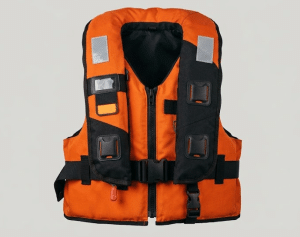
Binoculars make a day on the water more enjoyable, but they are not safety equipment. A life jacket Saudi Arabian boaters and paddlers wear should fit snugly, stay in place, and suit the activity.
Quick Fit Checks
- Fasten every strap and buckle, then lift the shoulders gently to see if they ride up
- Choose child-sized jackets for children, not adult sizes
- Look over straps, zippers, and fabric for wear before each season
Requirements for safety gear vary by activity and location, so verify current local regulations before you head out.
A Simple Checklist for Choosing
- Where will you use them: boat, shoreline, camp, or all three?
- Is 7x or 8x steady enough for you, or do you want 10x?
- Do you want a waterproof, fog-resistant body?
- How will you carry them, and how long will you hold them?
- Do you wear glasses?
- What is your budget?
Write your answers down before you shop. Two or three clear needs make it easier to compare specs without getting lost in the numbers.
Caring for Binoculars After Salt and Sand
Good care keeps the glass clear season after season.
- Blow sand and salt crystals off the lenses first, since wiping dry grit can scratch the coating
- Clean smudges with a microfiber cloth and lens-cleaning solution
- Wipe the body with a slightly damp cloth, then dry it before storing
- Keep lens caps on and the case closed
- Store them somewhere cool and shaded, never on a sunny dashboard
The right pair depends on your plans. For the water, lean toward steady magnification, a sealed body, and a secure strap. For land, think about weight and light. For a bit of both, a mid-size pair is a sensible middle ground.
When you are ready to compare Binoculars Saudi Arabia shoppers have available, start with the checklist above and let your answers narrow the field.
If you would like to browse options or ask us questions, Blue Anchor Marine is a helpful place to start. And whatever you pack, put a Life Jacket Saudi Arabia boating trips call at the top of the list.
Customer Review
Great pair for the boat and the desert
I bought these binoculars from Blue Anchor Marine after not being sure whether to go compact or full-size. The advice on matching the pair to where I would use it most helped me decide. I take them out on the boat on weekends, and they have also come along on beach trips and a desert camping weekend.
On the water, they are easy to hold steady, and I can spot buoys and other boats well before they get close. On the coast, I can follow birds and distant shorelines comfortably. At the desert camp, they were great for scanning the horizon at dusk and looking at the stars once it got dark.
They’re also easy to carry, and the service was helpful and clear. I would recommend them to anyone in Saudi Arabia who wants one pair for sea and desert trips.
FAQs
1. How do I choose binoculars for boating, the coast, and the desert?
Start with where you will use them most. Boating favors stable, easy-to-hold binoculars, while desert and stargazing trips benefit from good light gathering. For travel and hiking, size and weight matter most.
2. Should I choose compact or full-size binoculars?
Compact pairs are lighter and easier to pack, so they suit travel, beach days, and casual use. Full-size pairs usually give a brighter, more detailed view, which helps at long range and in low light.
3. What do numbers like 8×42 or 10×50 mean?
The first number is the magnification. The second is the diameter of the front lens in millimeters, which affects how much light the binoculars gather. Higher magnification brings things closer, but it can be harder to hold steady, especially on a moving boat.
4. Which magnification is best for use on a boat?
Lower powers, like 7x or 8x, are usually easier to hold steady on waves. At high magnification the image may shake.
5. Are binoculars suitable for desert nights and stargazing?
Yes, especially when paired with larger front lenses, which gather more light. They help you see more stars, the moon’s surface, and distant lights at camp.
6. Do I need water-resistant binoculars for coastal use?
It is strongly recommended. Salt spray, humidity, and sand can damage ordinary binoculars, so look for water-resistant or waterproof models with sealed optics.
7. How should I care for my binoculars in Saudi Arabia’s climate?
Keep them in a case, wipe the lenses with a microfiber cloth, and rinse off salt and dust with a gentle wipe. Avoid leaving them in a hot car, since extreme heat can affect the optics and seals.